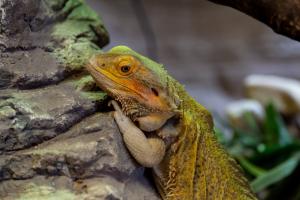
Bearded dragons are generally hardy creatures, but just like us, they can face some health issues from time to time. Spotting these problems early on is key to ensuring your little buddy stays happy and healthy. Let’s take a look at some common ailments you might encounter.
One of the most frequent issues is metabolic bone disease (MBD). This happens when they don’t get enough calcium or vitamin D3, leading to weak bones. Signs to watch for include lethargy, unusual postures, or even difficulty moving. If you notice any of these symptoms, it could be time to step up their diet or basking exposure.
Another common concern is impaction, which occurs when your dragon can’t pass waste due to ingesting something it shouldn’t—a piece of substrate, for example. If you see signs like bloating, lack of appetite, or irregular bowel movements, shaking the dust off those enclosure habits is a must!
Don’t forget about respiratory infections. If your bearded dragon starts to wheeze, cough, or have an unusual discharge from its nostrils, these could be red flags. Ensure they have a warm, dry habitat that's free from drafts to help minimize these risks.
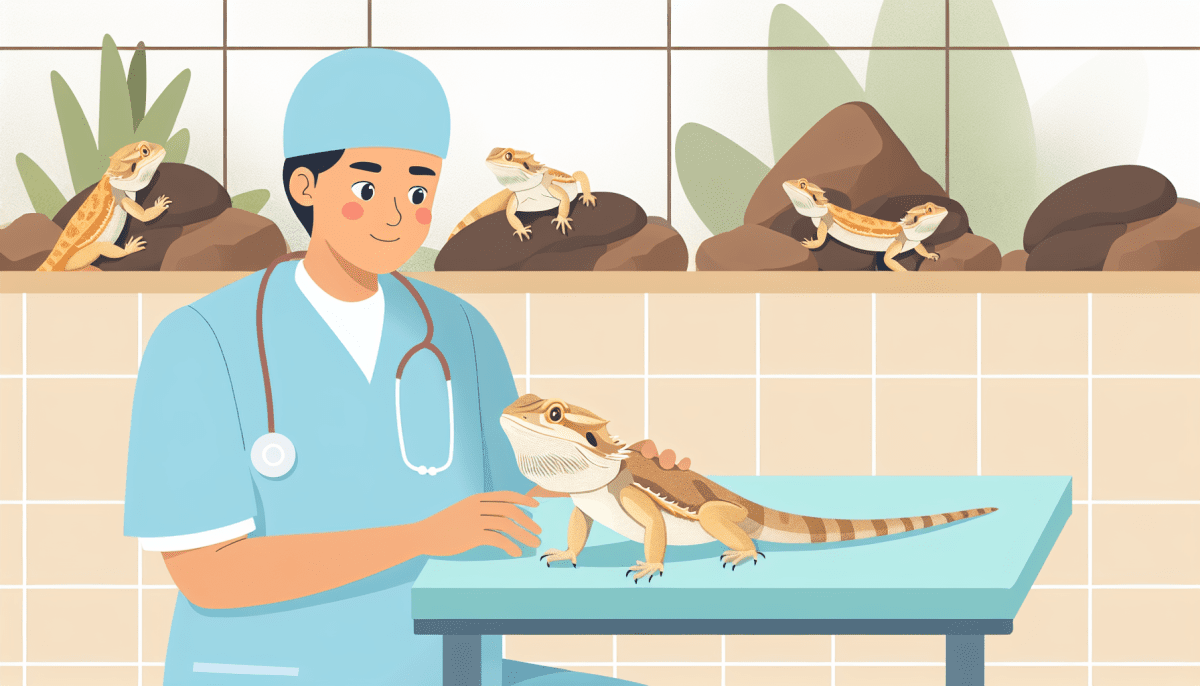
Paying attention to your bearded dragon's behavior and appearance can go a long way in catching these issues early. Regular check-ups with a vet who specializes in reptiles can also help keep your pet in peak condition!
Quick Diagnosis for Bearded Dragon Problems
When it comes to bearded dragons, knowing a few signs of trouble can make a world of difference. If you notice your dragon acting a bit off, a quick diagnosis can help you decide on the next steps to take. Here are some common issues and what you might want to look for:
Checking for these symptoms can help you spot potential problems early. If you see anything unusual, don't hesitate to reach out to a vet who specializes in reptiles. Early intervention can make all the difference in getting your bearded dragon back to its happy self!
Simple Home Remedies for Ailments
Bearded dragons are wonderful companions, but like any pet, they can face a few health hiccups. Luckily, there are some simple home remedies that can help with common ailments. Let’s dive into some easy steps you can take to keep your scaly friend feeling great.
For minor respiratory issues, a bit of humidity can go a long way. Try placing a shallow dish of water in their habitat. You can also lightly mist their environment with water to create a more humid atmosphere. Just be careful not to overdo it! Too much moisture can lead to other problems.
If your bearded dragon is having trouble shedding, a warm bath can be your best friend. Fill a tub or sink with lukewarm water and let them soak for about 15-20 minutes. This will help loosen any stuck skin and make shedding easier. Just stay with them to ensure they’re safe and comfortable!
For minor injuries or cuts, you can use diluted Betadine or a similar antiseptic. Gently clean the area with a soft cloth, then apply a small amount of the antiseptic to prevent infection. It's always best to keep an eye on the wound for any signs of redness or swelling.
If your little buddy is feeling stressed or not eating well, consider creating a cozy hiding spot for them. A simple cardboard box or a small cave can help them feel safe and secure. Stress can take a toll on their health, so making them comfortable is key!
When to See a Vet
As a bearded dragon owner, keeping an eye on your pet's health is super important. While they can be resilient little creatures, there are times when it's best to consult a vet. Here are some signs that indicate it’s time to make that appointment:
It's always better to err on the side of caution. Those little critters can’t tell us how they’re feeling, so being proactive about their health can make a big difference!