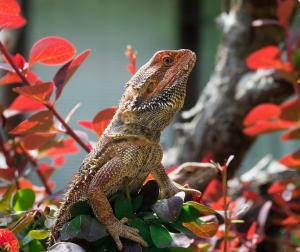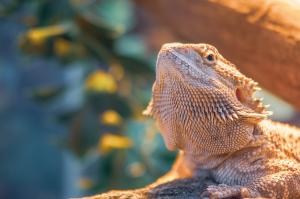
One of the main signs to look for is their body posture. If your bearded dragon is lying flat and relaxed, it usually means they’re feeling chill and safe. On the flip side, if they are puffing up or trying to make themselves look bigger, they might be feeling threatened or defensive. Watching how they hold their head can also tell you a lot—when they're looking straight up, they might be curious or ready to explore!
Also, keep an eye on their tail and beard color. A dark or black beard often signals that they’re annoyed or stressed, while a light, bright beard suggests they're calm and happy. Tail wagging can indicate excitement, especially if they're getting ready to eat or play. If they’re bobbing their head up and down, they could be trying to communicate dominance or just showing off!
Diet plays a huge role in mood too! If your bearded dragon is acting unusually lethargic or irritable, it might be worth checking if they’re getting the right nutrients or if they’re hungry. Just like us, they can be a bit hangry! Keeping a close eye on their eating habits and energy levels will give you more clues about how they’re feeling.
Signs of Happiness and Contentment
Bearded dragons can be pretty expressive once you learn to read their body language. When your little buddy is happy and content, you'll notice a few key signs. First off, keep an eye out for those relaxed body postures. If your dragon is sprawled out and basking under the heat lamp, it’s a sign they’re feeling good!
Another happy sign is when they do the “arm wave” or “hand waving” movement. This isn't them trying to say hi; it's more like a friendly hello to others in their space, showing they feel safe and relaxed. You might also catch them bobbing their head in a gentle, slow manner. This can express confidence and contentment, particularly if they’re not feeling threatened.
Feeding behavior is another big indicator of happiness. If your bearded dragon eagerly munches on their favorite treats, like crickets or leafy greens, it means they’re comfortable and enjoying their environment. Healthy eating habits reflect their happiness and overall well-being.
Lastly, keep an eye on their eyes! A relaxed bearded dragon will have their eyes partially closed while basking. If your dragon enjoys snuggling in your hands or around their tank, take that as a big thumbs-up! Spending time with you shows they trust you and are enjoying their life with you around.
Common Stress Signals to Watch For
Bearded dragons are pretty cool pets, but just like us, they can get stressed out. Understanding their body language can help you spot when they’re feeling a bit anxious. Here are some common stress signals to keep an eye on:
Recognizing these signals is key to keeping your bearded dragon happy and healthy. If you notice any of these behaviors, it might be a good idea to tweak their habitat or give them some extra TLC.
Creating a Comforting Habitat for Them
Creating a cozy home for your bearded dragon is super important! Just like us, they need a comfortable and safe environment where they can relax and thrive. So, let’s dive into how you can set up their habitat to keep them happy.
First things first, temperature matters. Bearded dragons love to bask in warm spots, so a good heat source is key. Aim for a basking area of around 100-110°F and a cooler side at about 75-85°F. A simple heat lamp can do wonders to achieve this gradient. Remember, they need this range to regulate their body temperature and feel secure.
Next, don’t forget about humidity! Bearded dragons prefer a dry environment, so keeping the humidity around 30-40% is ideal. You can do this by using an accurate hygrometer to monitor moisture levels. Just a few mistings here and there can help, but watch out for overdoing it—you want them comfy, not soggy!
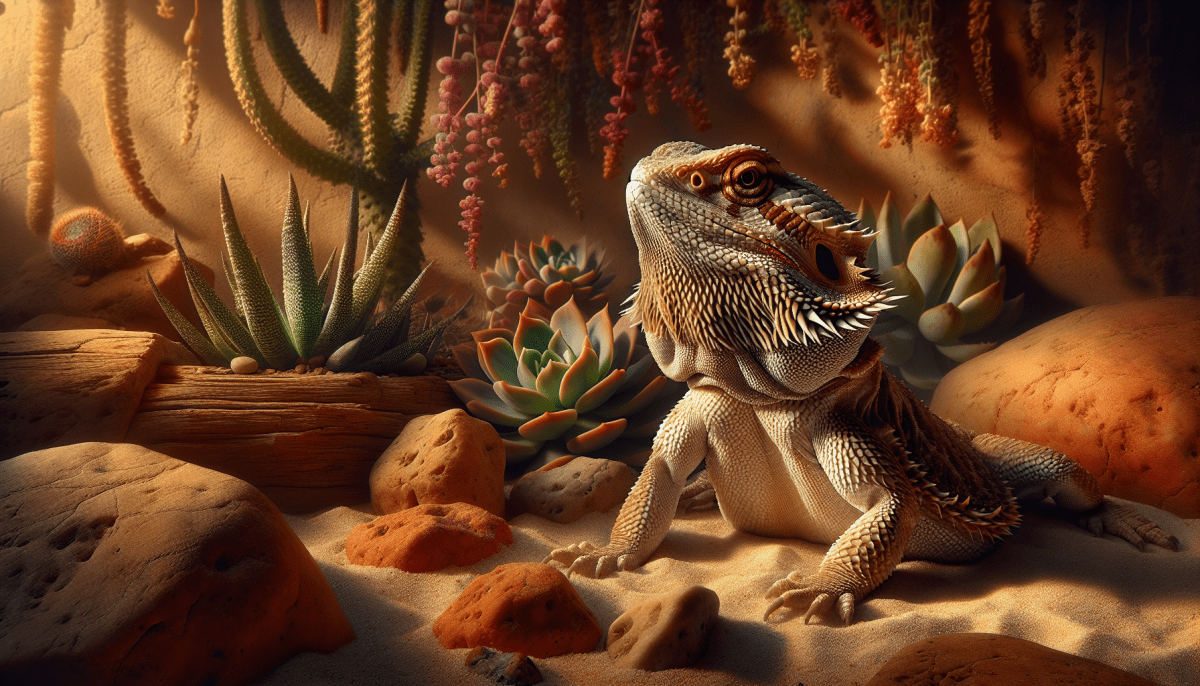
Lastly, let’s talk décor. Adding hiding spots and climbing structures can make your bearded dragon feel more at home. Use items like rocks, logs, and safe plants to create a natural feel. This also gives them plenty of places to explore and chill out when they want some alone time.