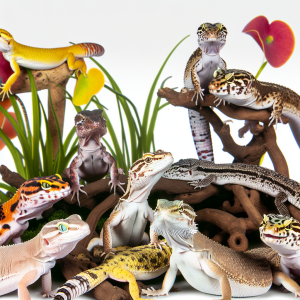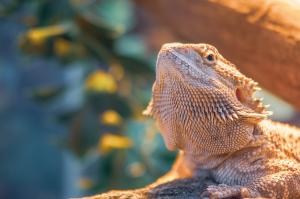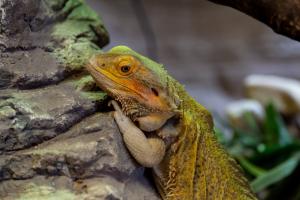
Bearded dragons are fascinating reptiles that have captured the hearts of many pet owners. These friendly lizards are native to Australia and are known for their unique appearance and gentle temperament. If you're considering bringing one into your home, it helps to understand their basic needs and behaviors.
First off, bearded dragons thrive on a balanced diet that includes both insects and plants. When they're young, they need more protein, which means lots of crickets and mealworms, while adults enjoy a mix of greens like collard and mustard greens. It’s also important to avoid feeding them certain foods like spinach and iceberg lettuce, as these can be harmful.
Another key aspect of their care is their habitat. Bearded dragons need a spacious enclosure with plenty of sunlight and heat. A basking spot is essential, giving them a chance to warm up and digest their food properly. Keeping the temperature just right can make a big difference in their health and happiness.
Social creatures by nature, bearded dragons love interaction. Regular handling can help them become more comfortable with you and their surroundings. Just make sure to keep handling sessions short at first, especially with younger dragons, to avoid stressing them out.
Understanding these basics can set you on the right path to being a great bearded dragon owner. With a little knowledge and care, these reptilian pals can thrive and bring joy to your life!
Choosing the Right Habitat for Your Pet
When it comes to giving your bearded dragon a comfy and happy home, choosing the right habitat is key! These friendly lizards thrive in environments that mimic their natural habitat, so you'll want something spacious and well-equipped.
First off, consider the size of the enclosure. A single adult bearded dragon needs at least a 40-gallon tank, but bigger is always better! Providing them with more space allows for climbing, basking, and hiding, which are essential for their well-being.
Next up, think about the setup. Your habitat should have a warm basking area with temperatures around 100°F, while the cool side should be around 75-85°F. Make sure to include the right UVB lighting, as this helps them synthesize vitamin D and is crucial for their health.
Don't forget about decor! Bearded dragons love to explore, so add some logs, rocks, and plants for enrichment. Just be sure everything is pet-safe! Hiding spots are great for giving them a sense of security.
Lastly, maintain a clean environment. Spot clean daily and do a deeper clean weekly to keep your pet healthy and happy. With the right habitat, your bearded dragon will flourish and show off their unique personality!
Feeding Tips for Healthy Bearded Dragons
Feeding your bearded dragon the right diet is key to keeping them healthy and happy. These little guys thrive on a mix of insects, veggies, and the occasional fruit treat. But don’t worry, it’s easier than it sounds! Here are some handy tips to make sure your bearded buddy gets all the nutrients they need.
1. Variety is Key: Just like us, bearded dragons enjoy a little variety in their meals. Mix up their diet with different types of insects like crickets, mealworms, and roaches. Adding leafy greens such as collard greens, mustard greens, and dandelion greens can really help with their nutrition. Even include some colorful veggies like bell peppers and squash for extra vitamins!
2. Avoid Toxic Foods: Not all foods are safe for your beardie. Stay clear of certain veggies like spinach and icebergs lettuce, which don't provide much nutrition. And fruits should be offered in moderation; too much sugar can upset their tummy. Always double-check before introducing new foods to their diet.
3. Proper Portion Sizes: Knowing how much to feed your bearded dragon can be tricky. A good rule of thumb is to give them as many insects as they can eat in a 10-15 minute period, a couple of times a week. For veggies, try to fill their dish about a third of the way full. Baby beardies need more insects because they're growing quickly, while adults can have more greens.
4. Hydration is Crucial: Don't forget about water! While bearded dragons get moisture from their food, it's important to still provide fresh water daily. Some owners even mist their dragons or their enclosure to ensure they’re staying hydrated. This not only helps with hydration but also promotes shedding.
Common Health Issues and Solutions
Bearded dragons are amazing companions, but like any pet, they can face some health issues. Being aware of common problems can help you keep your scaly friend healthy and happy. Here are a few issues to watch out for, along with some simple solutions.
1. Metabolic Bone Disease (MBD)
This is a big concern for bearded dragons, often caused by a lack of calcium and UVB light. To prevent MBD, ensure your pet gets the right diet, rich in calcium. Using a UVB lamp or taking your dragon outside for some natural sunlight can also do wonders!
2. Respiratory Infections
Signs of respiratory issues include wheezing, sneezing, or lack of appetite. Keeping the habitat clean and at the right temperature is key. If you notice these symptoms, a vet visit is a must to get your dragon back on track.
3. Improper Shedding
Sometimes, bearded dragons can struggle with shedding, especially if they’re not getting enough hydration. Make sure they have a shallow water dish for soaking. If shedding issues persist, consider adjusting their humidity levels.
By being proactive and keeping an eye on your bearded dragon’s health, you can ensure they live a long and vibrant life right by your side!